
First, What Are Bloodborne Pathogens?
Bloodborne pathogens are infectious microorganisms present in human blood that can cause disease. These dangerous microorganisms include viruses, bacteria, and other pathogens that can be transmitted through contact with infected blood and certain body fluids. Understanding what bloodborne pathogens are is crucial for anyone involved in trauma scene cleanup, as exposure to these organisms can result in serious, life-threatening illnesses.
The Most Common (and Concerning) Bloodborne Pathogens
The human body carries a variety of bacteria and viruses, some of which can cause serious illnesses if they enter the body. It is important to take extra precautions when handling these materials. Bloodborne pathogen cleaning is a vital part of keeping yourself and others safe.
In trauma scene cleanup, technicians regularly encounter three primary bloodborne pathogens that pose the greatest risk:
- Hepatitis B (HBV): A viral infection that attacks the liver and can cause both acute and chronic disease
- Hepatitis C (HCV): Another liver-damaging virus that often leads to chronic infection and serious liver complications
- Human Immunodeficiency Virus (HIV): The virus that causes AIDS, attacking the body’s immune system
These pathogens can survive outside the human body for extended periods, making thorough decontamination essential in any trauma cleanup scenario.
How Bloodborne Pathogens Spread in Trauma Scenes
Understanding transmission methods is critical for proper trauma scene cleanup. Bloodborne pathogens can enter the body through several dangerous pathways:
Puncture Injuries
- Needlesticks: Sharp objects contaminated with infected blood can pierce the skin
- Cuts and lacerations: Open wounds provide direct access to the bloodstream
- Abrasions: Even minor scrapes can allow pathogen entry
Contact with Contaminated Bodily Fluids
Beyond blood, several other bodily fluids can transmit these dangerous organisms:
- Semen and vaginal secretions
- Saliva (particularly when blood is present)
- Cerebrospinal, synovial, pleural, and amniotic fluids
Contaminated Equipment Risks
Trauma scenes often contain contaminated equipment that poses additional transmission risks:
- Blood glucose monitoring devices: Can harbor pathogens from previous use
- Medical instruments: Any sharp medical tools present at the scene
- Personal items: Razors, toothbrushes, or other items that may contain blood
These transmission routes make professional cleanup essential, as untrained individuals face significant exposure risks when attempting cleanup themselves.
Not all of these pathogens can be transmitted through contact with blood. It’s important to take precautions when handling blood or other bodily fluids, such as saliva or vomit. Decomposing bodies or otherwise known as unattended death also transmit odors and bloodborne pathogens during the decomposing process. Valor has certified trained professionals to eliminate all pathogens. We can properly clean all blood and bodily fluids left behind after death.
The Critical Importance of Professional Protection
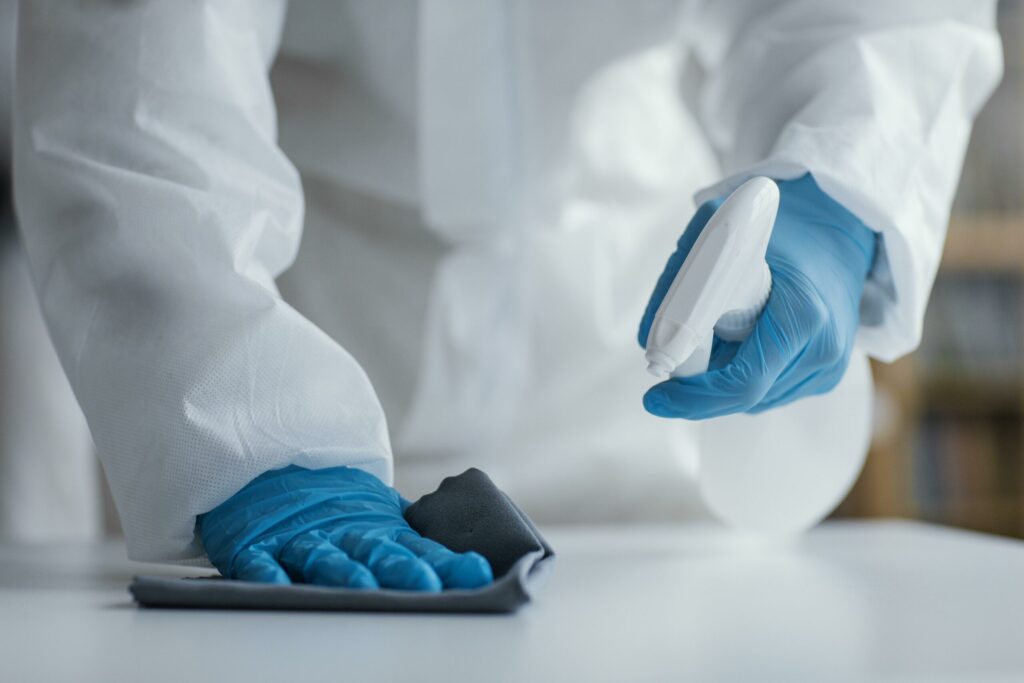
Wearing the appropriate protective gear is important when entering a home where a death has occurred. Protective gear can include gloves, a face mask, and eye protection. This will help to reduce the risk of contact with blood or other bodily fluids. There can be infectious diseases that you may not be aware of and pathogens can quickly spread. Even with a loved one, you might not know their illnesses. Additionally, you should not clean up a loved one. That should be left to the professionals.
Valor’s Comprehensive Decontamination Process
Valor Technical Cleaning goes above the standards. We work to disinfect and clean any surfaces that have come into contact with blood or other bodily fluids. We clean all surfaces thoroughly, including hard-to-reach areas, to ensure that all of the pathogens are contained. The cleaning process isn’t complete once the surfaces have been disinfected. It’s important to remove any materials that may have been contaminated by the blood or other bodily fluids. This includes clothes, bedding, towels, and any other items that may have been exposed. Valor will make sure we make your house a home again. Bloodborne pathogen cleaning is a critical part of keeping yourself and others safe. Following these outlined steps is crucial for everyone’s safety. Taking the necessary precautions will reduce the risk of exposure and transmission of these dangerous microorganisms.
Our Commitment to Your Family’s Safety
Valor Technical Cleaning after-death cleaning is an important service that helps families and businesses in their time of need. It is a difficult job, but the professionals who provide this service are highly trained and experienced in their field. Valor’s technicians understand the delicate nature of the job and strive to provide the best possible service to our clients. If you or someone you know needs the help of a biohazard, after-death cleaning company, please reach out to Valor. We’re happy to assist with all suicide, unattended death, decomposing body, or crime scene cleaning. Our trained and compassionate team is on hand 24/7/365 to assist you. Please call 855-599-8960 for a free consultation regarding our services.